

What Happens Between the Visa and the Front Door
The part of relocating to Germany that almost never makes it into a success story — and why we plan it before the visa is even approved.

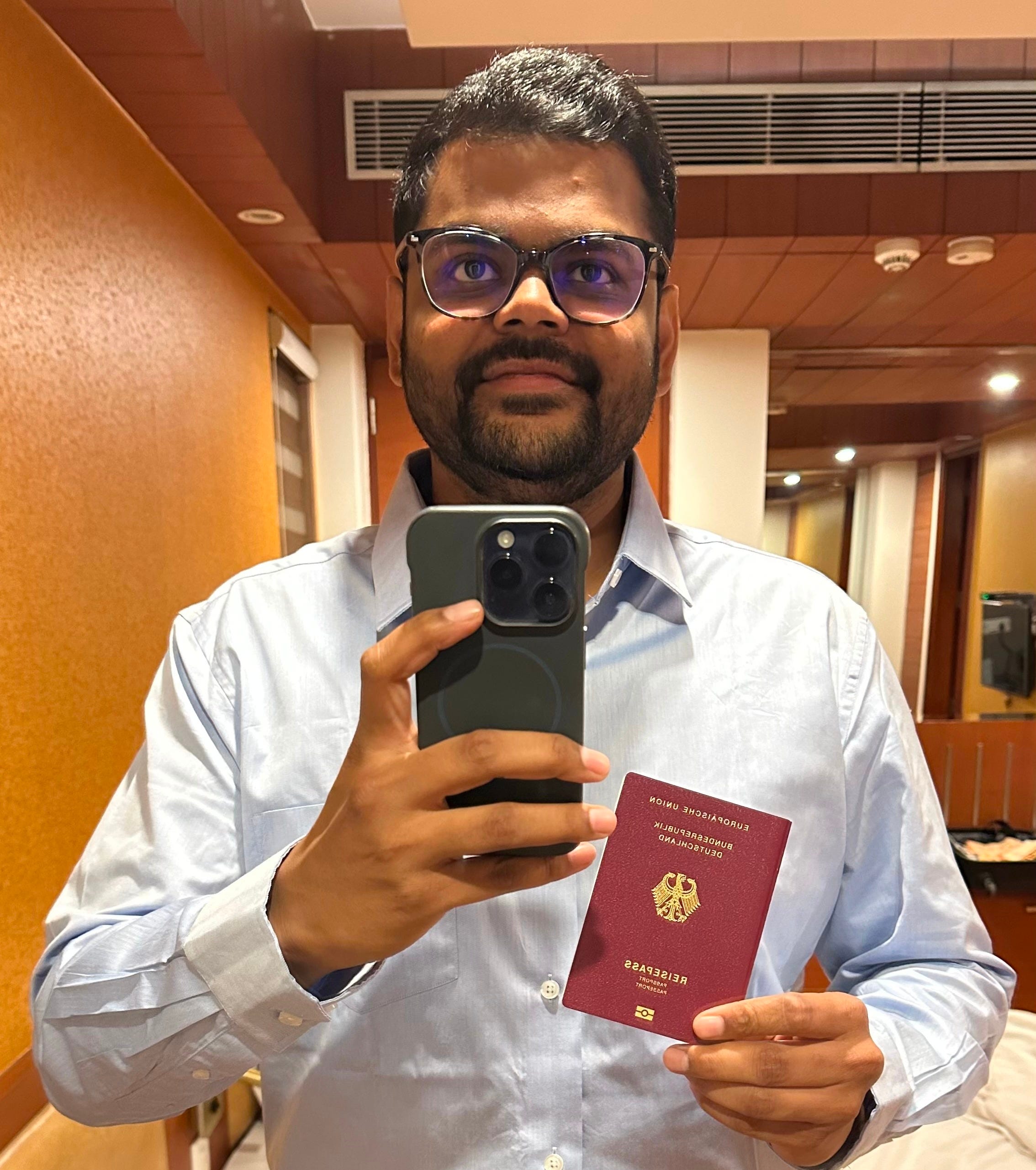
Every relocation story gets told the same way: application, interview, visa, celebration. That's the version that fits in a LinkedIn caption. It's also only half the story.
This week, we signed the rental contract for an apartment that four Ausbildung (vocational training) candidates will move into on August 15th. Ajay, Abhishek, Kasinadh, and Neeraj got their visas a few weeks ago, for a technical Ausbildung with a manufacturing employer in North Rhine-Westphalia. That was the milestone everyone saw. This is the one nobody posts about.
Here's why it matters as much as the visa itself.
A visa tells a candidate they're legally allowed to move to Germany. It says nothing about where they'll sleep on night one, how they'll get from the airport, or whether anyone is expecting them when they land. Left unplanned, that gap is where a lot of the anxiety around relocating actually lives — not in the paperwork, but in the unknowns after the paperwork is done.
So we treat housing as part of the placement, not an afterthought that starts once the visa is stamped. In this case, that meant:
Coordinating with the employer's local contact to find a shared apartment near the workplace — close enough that public transport or a short walk gets them to work on day one.
Getting the Mietvertrag (rental contract) signed by both parties well before the candidates fly out, so there's no scramble to find something once they land.
Fixing a specific handover time — 11am on August 15th — so everyone involved, including the person picking them up, can plan around it.
Arranging for someone from the employer's side to be at the airport. Not a taxi with a name card. A person who already knows who they're collecting and where they're taking them.
None of this shows up in a visa approval email. All of it determines whether a candidate's first week in Germany feels like they've arrived somewhere, or like they've been dropped somewhere.
We build this into every placement because we've seen the alternative: candidates who land with a visa and nothing else sorted, spending their first days in temporary accommodation, disoriented, trying to figure out a new country and a new job at the same time. It's avoidable. It just has to be planned before the "success" moment, not after it.
If you're an employer bringing in international hires, this is worth asking your recruitment partner about directly: what happens between the visa stamp and the first day of work? If the answer is vague, that's the gap your new hire will fall into.
If you're a candidate reading this because you're somewhere in the process yourself — ask the same question, of us or of anyone else you're working with. The visa is the part everyone celebrates. The front door is the part that actually matters.
Step by step. Real process. Real people.